What ruins Skin Diseases Treatment?
Skin conditions can range from mild and temporary to chronic and complex, requiring consistent care and professional guidance. While modern dermatology offers effective solutions, many factors can interfere with successful outcomes. Understanding what ruins skin diseases treatment is essential for anyone seeking lasting results, especially those exploring options such as Skin Diseases Treatment in Dubai or other advanced care environments.
This article explores the common mistakes, lifestyle habits, and external influences that can negatively impact treatment effectiveness—and how to avoid them.
1. Inconsistent Treatment Practices
One of the most common reasons skin treatments fail is inconsistency. Many skin conditions—such as eczema, psoriasis, acne, and fungal infections—require ongoing and disciplined care.
Patients often discontinue treatment once symptoms improve, assuming the condition is fully resolved. However, many skin diseases are chronic or prone to recurrence. Stopping treatment too early can allow the condition to return, sometimes more aggressively than before.
Consistency includes:
- Following prescribed routines without skipping doses
- Using topical or oral treatments as directed
- Attending follow-up evaluations when recommended
Without consistency, even the most advanced approaches to Skin Diseases Treatment in Dubai or elsewhere may not deliver optimal outcomes.
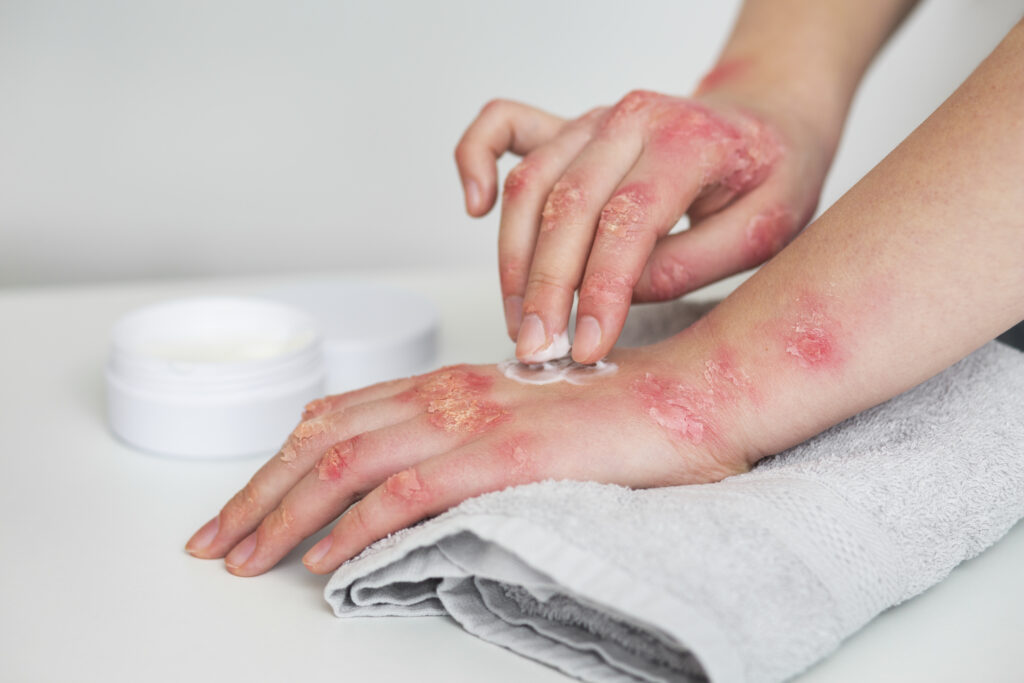
2. Self-Medication and Misinformation
The internet provides a vast amount of health-related information, but not all of it is accurate or suitable for individual cases. Self-diagnosing and self-medicating can worsen skin conditions significantly.
Common issues include:
- Using incorrect medications for the wrong condition
- Applying over-the-counter products without understanding their ingredients
- Following unverified home remedies that may irritate the skin
Skin diseases often have similar symptoms but different underlying causes. Without proper diagnosis, treatment may target the wrong issue, delaying recovery and potentially causing complications.
3. Poor Skincare Habits
Daily skincare routines play a critical role in treatment success. Neglecting proper hygiene or using inappropriate products can undermine progress.
Some problematic habits include:
- Over-washing or under-washing affected areas
- Using harsh soaps or cleansers that strip natural oils
- Skipping moisturization for dry or sensitive skin
- Using expired or contaminated skincare products
For individuals undergoing treatment, especially for conditions like acne or dermatitis, maintaining a gentle and consistent skincare routine is crucial.
4. Ignoring Environmental Factors
Environmental triggers can significantly influence skin health. Factors such as climate, pollution, humidity, and sun exposure can worsen symptoms if not managed properly.
For example:
- Excessive heat and humidity may aggravate fungal infections
- Pollution can clog pores and trigger acne flare-ups
- Harsh sunlight may worsen conditions like melasma or psoriasis
Even in regions where advanced Skin Diseases Treatment in Dubai is available, ignoring environmental protection—such as using sunscreen or protective clothing—can hinder treatment progress.
5. Stress and Lifestyle Imbalances
Stress is a well-known aggravator of many skin conditions. It can trigger hormonal imbalances, weaken the immune system, and lead to inflammation, all of which affect skin health.
Lifestyle factors that may disrupt treatment include:
- Lack of sleep
- Poor diet lacking essential nutrients
- High stress levels
- Sedentary habits
Chronic stress can worsen conditions like eczema, acne, and psoriasis. Incorporating stress management techniques such as exercise, meditation, or proper sleep hygiene can significantly support treatment effectiveness.
6. Improper Diet and Nutrition
Nutrition plays an important role in skin health. Diets high in processed foods, sugar, and unhealthy fats may contribute to inflammation, which can exacerbate skin conditions.
Key nutritional imbalances that may interfere with treatment:
- Deficiency in vitamins such as A, C, D, and E
- Lack of omega-3 fatty acids
- Insufficient hydration
- Excessive consumption of sugary or greasy foods
A balanced diet rich in fruits, vegetables, lean proteins, and healthy fats supports skin repair and enhances the body’s natural healing processes.
7. Overuse of Products and Treatments
Using too many products at once or frequently switching treatments can disrupt the skin’s natural barrier. This often leads to irritation, sensitivity, and reduced effectiveness of treatments.
Problems associated with overuse include:
- Chemical irritation from overlapping active ingredients
- Reduced skin tolerance
- Confusion about which product is actually working
It is important to follow a structured treatment plan rather than experimenting with multiple products simultaneously without guidance.
8. Lack of Patience and Unrealistic Expectations
Skin treatments often take time to show visible improvements. One major factor that ruins treatment is the expectation of immediate results.
Patients may:
- Discontinue treatment prematurely
- Frequently change treatment plans
- Lose trust in the process
Most skin conditions require gradual healing. Patience, combined with consistency, is key to achieving long-term success.
9. Ignoring Underlying Health Conditions
Skin problems are sometimes symptoms of deeper internal issues such as hormonal imbalances, autoimmune disorders, or metabolic conditions. Treating only the surface symptoms without addressing the root cause can limit recovery.
A comprehensive approach to Skin Diseases Treatment in Dubai or elsewhere often involves identifying and managing these underlying factors to ensure long-term improvement.
10. Exposure to Irritants and Allergens
Contact with irritants and allergens can continuously trigger or worsen skin conditions, making treatment less effective.
Common triggers include:
- Certain cosmetics or skincare ingredients
- Detergents and cleaning agents
- Synthetic fabrics
- Environmental allergens like dust or pollen
Identifying and avoiding these triggers is essential for maintaining progress during treatment.
Conclusion
Successful management of skin conditions depends on more than just medical intervention. Several factors—ranging from inconsistent routines and poor lifestyle habits to environmental exposure and misinformation—can significantly ruin treatment outcomes.
For individuals seeking Skin Diseases Treatment in Dubai, or in any advanced healthcare setting, the key to effective results lies in a holistic approach. This includes adherence to treatment plans, proper skincare practices, balanced nutrition, stress management, and avoiding harmful habits that interfere with healing.
By understanding and addressing these common pitfalls, individuals can greatly improve their chances of achieving clearer, healthier skin and maintaining long-term results.


Comments
Post a Comment